
Shipping with this method takes 3-5 days
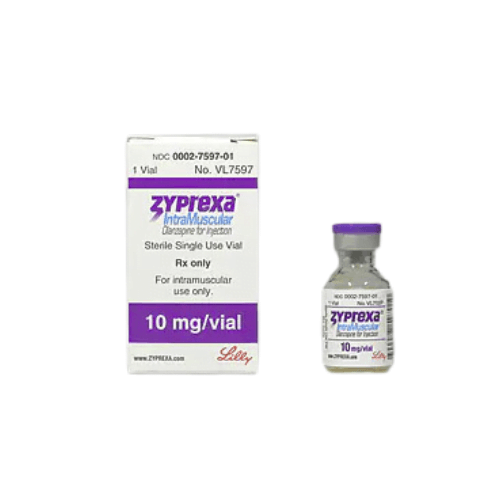
Zyprexa Intramuscular
Zyprexa® Intramuscular for Acute Agitation
Price:
$69.99
Secure Encrypted Payments
Zyprexa Intramuscular is an intramuscular form of olanzapine used to help manage acute agitation in adults with schizophrenia or bipolar I disorder. It is given by a clinician for short-term control when rapid calming is needed. We offer US delivery from Canada so you can access Canadian pricing, even if paying without insurance.
What Zyprexa Is and How It Works
Zyprexa® contains olanzapine, an atypical antipsychotic. The intramuscular injection bypasses the gut and reaches peak exposure faster than tablets. It blocks dopamine D2 and serotonin 5-HT2A receptors, which may reduce agitation and psychotic symptoms. This medicine is intended for short-term control of acute agitation, not ongoing maintenance.
YouDrugstore is a licensed Canadian pharmacy in Manitoba. Pharmacists review prescriptions before dispensing.
The injection is administered by a trained professional into a muscle, typically the deltoid or gluteal site. It should never be given intravenously or subcutaneously. Monitor patients for sedation, orthostatic changes, and respiratory status after dosing, especially when other central nervous system depressants are on board.
Parenteral benzodiazepines used close in time can increase the risk of excessive sedation and cardiorespiratory depression. Combining this medicine with alcohol or strong antihypertensives may further lower blood pressure and alertness. Use facility protocols that align with the official label.
Exact-match placement: Olanzapine Intramuscular.
Who It’s For
This treatment is for adults with acute agitation related to schizophrenia or bipolar I mania, when a rapid effect is clinically appropriate and supervised administration is available. It is not approved for elderly patients with dementia-related psychosis due to an increased risk of death. People with known hypersensitivity to olanzapine should not receive it.
Use caution in those with cardiovascular disease, cerebrovascular disease, a history of seizure, narrow-angle glaucoma, or significant hepatic impairment. Discuss risks if there is a history of neutropenia, diabetes, or metabolic syndrome, as atypical antipsychotics can affect glucose and lipids.
Dosage and Usage
Clinicians select a dose based on the patient’s status and response. A common initial strategy is a single intramuscular dose, with careful observation afterward. Additional doses may be considered only per label-supported intervals and maximum daily limits. Older adults or those with clinical factors such as low body weight or interacting medicines may start lower.
Reconstitution must follow the manufacturer’s instructions, typically with sterile water for injection. Use aseptic technique. Inject only into muscle tissue. Observe the patient in a setting equipped to manage hypotension, respiratory depression, or excessive sedation.
Exact-match placement: Olanzapine IM 10 mg.
Strengths and Forms
Short-acting intramuscular powder for reconstitution is the primary presentation. Individual pack sizes may vary by market. Availability can differ by supplier and may change over time. Always refer to the product packaging for specific contents and diluent requirements.
Exact-match placement: Zyprexa IM 10 mg vials.
Missed Dose and Timing
This medicine is given in a clinical setting for acute use, so a “missed dose” is uncommon. If a scheduled administration is deferred, the supervising clinician will determine next steps. Do not repeat an injection sooner than permitted on the label. Do not self-inject or attempt to make up for a delayed dose without professional guidance.
Storage and Travel Basics
Store unopened vials at controlled room temperature in a dry place away from direct light. Keep out of reach of children. Use only the recommended diluent. Once reconstituted, use promptly according to the manufacturer’s instructions. Do not freeze the reconstituted solution. Discard any unused portion per facility policy.
If transporting between care locations, carry vials in original packaging to protect from light and damage. For patients traveling to appointments, keep medicines in a secure bag and bring documentation of your prescription. Clinics should maintain logs for lot numbers and expiry dates to support pharmacovigilance and inventory control.
Benefits
Intramuscular olanzapine can provide faster systemic exposure than an oral dose. The short-acting injection allows clinicians to titrate within labeled limits as the situation evolves. Using a familiar antipsychotic class may help continuity when transitioning to oral therapy later. Clinic-based dosing supports observation for adverse effects and interactions.
Side Effects and Safety
- Common: sleepiness, dizziness, dry mouth, injection-site discomfort
- Metabolic: increased appetite, weight change, elevated glucose or lipids
- Neurologic: restlessness or extrapyramidal symptoms in some patients
- Cardiovascular: orthostatic hypotension, tachycardia
Serious risks can include neuroleptic malignant syndrome, severe hypotension, respiratory depression, seizures, and blood dyscrasias. There is a boxed warning for increased mortality in elderly patients with dementia-related psychosis. Monitor for worsening of mood or suicidal thoughts. Contact a clinician immediately if severe reactions occur.
Drug Interactions and Cautions
Parenteral benzodiazepines given near the time of intramuscular olanzapine can heighten the risk of excessive sedation and respiratory compromise; avoid concomitant use. Alcohol and other CNS depressants can amplify drowsiness. Antihypertensives may increase hypotensive effects.
CYP1A2 inhibitors such as fluvoxamine can raise olanzapine exposure. Inducers like carbamazepine or smoking may reduce levels. Use caution with medications that prolong QT or with agents that lower seizure threshold. Review all prescriptions, OTC products, and supplements with your clinician before treatment.
What to Expect Over Time
This medicine is intended for short-term control of agitation. Clinicians usually reassess after the first dose to decide if further dosing is necessary within label limits. Some individuals transition to oral antipsychotics for maintenance once stable. Side effects such as sleepiness may occur and should be monitored, particularly before walking unassisted.
Consistent follow-up with your healthcare team supports safer long-term management of the underlying condition. Educational resources like Schizophrenia and Bipolar Disorder can help you prepare for clinic visits and discuss care goals.
Compare With Alternatives
Other antipsychotic injections may be considered based on diagnosis and clinical need. Long-acting options used for maintenance include Abilify Maintena and Invega Sustenna Injection. These are not substitutes for the short-acting intramuscular formulation used for acute agitation, but clinicians may transition to a maintenance plan once stable.
Pricing and Access
We list transparent Canadian pricing with clear options for clinics and facilities. Check the current Zyprexa Intramuscular price and compare against local sources. We apply standard prescription verification and offer encrypted checkout for security. Orders ship to the United States on a schedule that fits your needs, and items typically Ships from Canada to US.
Want to explore seasonal offers? See Promotions for any active coupons. For related therapy categories, visit Mental Health to browse additional options.
Availability and Substitutions
Supply can vary. If this medicine is unavailable, your prescriber may recommend an alternative antipsychotic or an oral plan tailored to the situation. We cannot guarantee restock dates. If your facility needs a specific presentation, contact our team to discuss current options and what documentation we require.
Patient Suitability and Cost-Saving Tips
This injection is for clinic-based use. It may suit adults who require rapid control of severe agitation and can be observed after dosing. It is not for elderly patients with dementia-related psychosis. People with significant cardiac or respiratory compromise need careful assessment before receiving this treatment.
To control overall costs, consider aligning clinic orders to reduce multiple small shipments. If transitioning to an oral regimen, ask your clinician about generic options. Facilities may benefit from multi-vial orders when appropriate. Self-pay patients can compare options such as Exact-match placement: Olanzapine IM self-pay. Set reminders for follow-up visits and prescription renewals so continuity of care is maintained.
Questions to Ask Your Clinician
- Appropriate use: When is an intramuscular antipsychotic preferred over oral?
- Dose strategy: What initial dose and monitoring plan fits my situation?
- Risks: How will you watch for low blood pressure, sedation, or breathing issues?
- Interactions: Which medicines, supplements, or alcohol should I avoid before and after?
- Next steps: When might we switch to an oral maintenance plan?
- Follow-up: What observations should caregivers report after discharge?
Authoritative Sources
US Prescribing Information (Eli Lilly)
Health Canada Drug Product Database
For background reading, see What Is Schizophrenia, Abilify Medication, and Psychosis And Antipsychotics.
Ready to proceed? Order Zyprexa Intramuscular with prompt US shipping from Canada. Prescription required; this page is informational and not a substitute for medical advice.
Express Shipping - from $25.00
Prices:
- Dry-Packed Products $25.00
- Cold-Packed Products $35.00
Shipping Countries:
- United States (all contiguous states**)
- Worldwide (excludes some countries***)
Standard Shipping - $15.00
Shipping with this method takes 5-10 days
Prices:
- Dry-Packed Products $15.00
- Not available for Cold-Packed products
Shipping Countries:
- United States (all contiguous states**)
- Worldwide (excludes some countries***)
What conditions is the intramuscular form used to treat?
The intramuscular formulation of olanzapine is used for short‑term control of acute agitation linked to schizophrenia or bipolar I disorder. It is given by a clinician in a monitored setting. This use differs from maintenance therapy, which often relies on oral antipsychotics or long‑acting injectables selected for longer control. Your care team will decide if an IM dose is appropriate and when to transition to ongoing treatment.
How quickly does the injection start working?
Intramuscular administration produces faster systemic exposure than tablets. Many people become calmer after a short interval, but the exact timing varies by patient, dose, and co‑medications. Because responses differ, clinicians monitor after dosing and decide if another labeled dose is needed later. Avoid driving or hazardous tasks until you know how you respond and a clinician confirms it is safe to do so.
Can it be used with benzodiazepines?
Using intramuscular olanzapine together with parenteral benzodiazepines is not recommended due to the risk of profound sedation, hypotension, and respiratory depression. If both are considered necessary, clinicians may separate administration times and monitor closely, following the official label and local protocols. Always disclose recent sedative use before receiving an injection in the clinic.
What are common side effects after an IM dose?
Sleepiness, dizziness, dry mouth, and injection‑site discomfort are common. Some people experience restlessness or mild movement effects. Orthostatic hypotension may occur, so standing up slowly helps reduce lightheadedness. Serious but less common risks include neuroleptic malignant syndrome, severe hypotension, seizures, and blood count changes. Report concerning symptoms to your clinician right away.
Who should avoid this medicine?
People with a known allergy to olanzapine should not receive it. The drug carries a boxed warning for increased mortality in elderly patients with dementia‑related psychosis, so it is not approved for that population. Caution is advised in those with cardiovascular or cerebrovascular disease, seizure history, narrow‑angle glaucoma, liver impairment, or significant metabolic conditions such as diabetes.
How is the vial prepared and given?
A clinician reconstitutes the vial with the recommended diluent using aseptic technique. The injection is delivered into the deltoid or gluteal muscle. Intravenous or subcutaneous administration is not permitted. After dosing, the patient is observed for sedation, blood pressure changes, and breathing. Facilities maintain rescue protocols and monitor until it is safe to discharge or continue care.
Is there a plan after the acute dose?
Many individuals transition to oral antipsychotics or consider a long‑acting maintenance option once agitation is controlled. The choice depends on diagnosis, prior response, and tolerability. Your clinician may suggest follow‑up visits, lab checks for metabolic health, and education about early warning signs. This ongoing plan aims to manage the underlying condition and lower the chance of future crises.
You Might Also Like
Select options
This product has multiple variants. The options may be chosen on the product page
Select options
This product has multiple variants. The options may be chosen on the product page
Select options
This product has multiple variants. The options may be chosen on the product page
Select options
This product has multiple variants. The options may be chosen on the product page